
What Is Physiotherapy?


Integrated Care: The Best of Both Worlds
- Physiotherapy provides a clear assessment and diagnosis, and rebuilds strength and function through rehabilitation techniques.
- Massage Therapy reduces muscular pain and tension and promotes relaxation.

Conditions We Treat
- Musculoskeletal Pain: Relief from muscle and joint discomfort.
- Sports Injuries: Expert care for sprains, strains, and common athletic injuries.
- Post-Operative Rehabilitation: Helping you regain strength, mobility, and function after surgery.
- Mobility Support: Improving balance, gait, and overall movement.
- Postural Guidance: Exercises and advice to counteract the effects of prolonged sitting and desk work.
We have particular experience in sports rehabilitation and return to play planning, along with the psychological side of long-standing pain, which is often the part that keeps people stuck.

Meet the Team
Your Appointment: What to Expect
Your First Visit
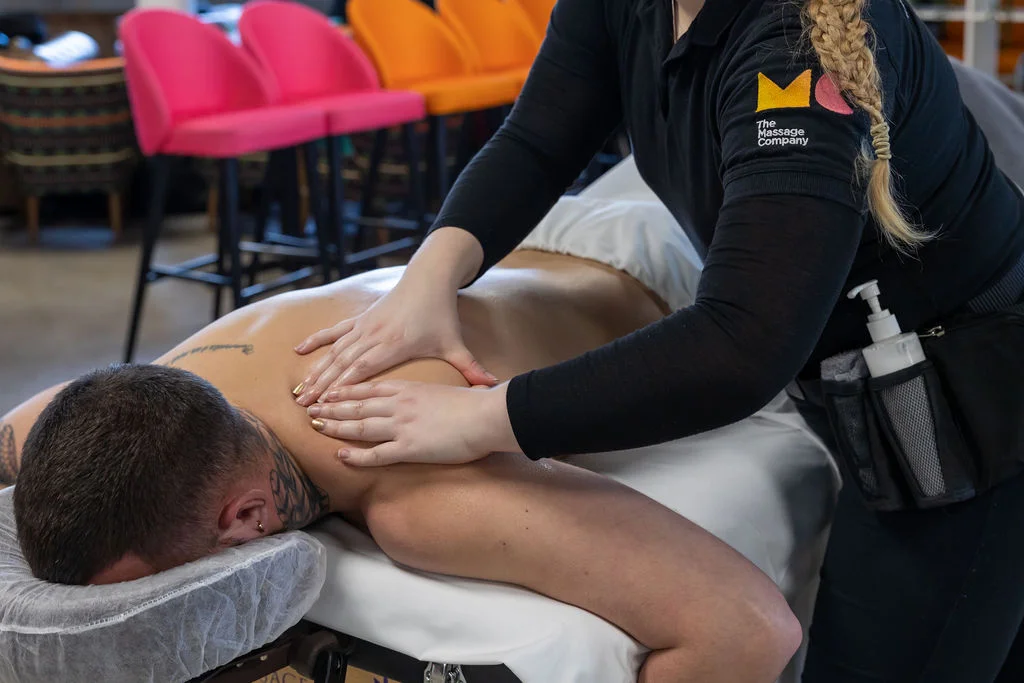
- Manual therapy and soft tissue techniques to ease muscle tension, reduce pain and restore mobility.
- A targeted exercise programme to suit your individual needs and goals.
Follow-Up Sessions

Physiotherapy Pricing
Treatment
Physiotherapy and Your Membership
Physiotherapy at Ealing is included in the membership. One credit covers a 45 minute initial assessment or a 30 minute follow-up appointment, which brings the cost of a full course of treatment down considerably.
If you are already using your membership for massage, physiotherapy simply becomes another way to spend your credits. The team in Ealing can walk you through it.
Private Health Insurance
- Whether your policy covers physiotherapy.
- If a GP or consultant referral is required.
- How many sessions are included in your cover.



Professional Physiotherapy Standards and Expertise
The Health and Care Professions Council (HCPC) regulates physiotherapists in the UK, ensuring that registered professionals meet the required standards of proficiency, conduct and patient care. The Chartered Society of Physiotherapy (CSP) is the professional body for physiotherapists, supporting professional development, evidence-informed practice and high standards across the profession.
Finding Us
Getting Here

Parking
There are several parking options a short walk from the clinic.
- Ealing Broadway Car Park, one to two minutes on foot, directly above the shopping centre with more than 600 spaces and parking from around £2.50 for up to two hours.
- Q-Park Dickens Yard, four to five minutes on foot, secure parking from around £1.40 for one hour or £2.60 for two hours.
- Springbridge Multi-Storey, five to six minutes on foot, council-operated parking from roughly £1.10 for the first hour depending on your vehicle emissions.
Why Choose The Massage Company for Physiotherapy
A complete recovery journey
Support between appointments
Why patients choose our Ealing centre
- Inside the Ealing Broadway Shopping Centre
- Elizabeth line, Central line and District line access
- Convenient for commuters travelling into central London
- Parking directly above the centre
Frequently Asked Questions
Do I Need a GP Referral?
A GP referral is not necessary, you can book directly with our physiotherapists without seeing a doctor first. If you’re covered by private health insurance, please check with your provider, as some insurers may require a referral.
What Should I Wear?
Wear comfortable, loose-fitting clothing that allows full movement. For example, with knee injuries, shorts are helpful, and for shoulder issues, a vest top works best.
Do You Provide Exercises to Do at Home?
Yes we provide comprehensive and tailored rehabilitation programs. Your physiotherapist will give you a clear, easy-to-follow exercise programme to support your recovery.
How Many Sessions Will I Need?
It depends on your specific issue. During your first assessment, your physiotherapist will create a personalised plan and guide you on the likely number of sessions.
Can Physiotherapy Prevent Future Injuries?
Yes. Physiotherapy helps improve movement patterns and overall strength, giving you the tools to reduce the risk of future problems.
Can physiotherapy help with back, neck, or sciatica pain?
Yes — physiotherapy uses assessment, targeted exercises, manual therapy, and movement retraining to reduce pain, improve mobility and posture, and relieve issues like chronic back pain, neck stiffness, and sciatica by addressing the underlying musculoskeletal causes.
Will physiotherapy support recovery after surgery or injury?
Absolutely. Physiotherapy plays a key role in post‑surgical rehabilitation and soft tissue injury recovery by rebuilding strength, improving flexibility, reducing scar tissue formation, and restoring normal movement patterns.
Can it help with joint pain from arthritis or repetitive strain?
Yes. Physiotherapists treat joint pain from arthritis, tendonitis, and overuse injuries by combining gentle exercises, manual therapy, education, and movement strategies to reduce inflammation, improve function, and slow progression.
Is physiotherapy beneficial for balance, mobility, or neurological conditions?
Yes; it can improve balance, strength, coordination, and independence, particularly for older adults, people recovering from stroke or neurological conditions, and anyone with mobility challenges.